Tree Canopy Thinning in Reno, NV
Tree canopy thinning services involve selectively removing branches and foliage to improve the overall health, safety, and appearance of a tree. This process is often used to reduce excessive leaf density, increase sunlight penetration, improve air circulation, and prevent branches from becoming too heavy or hazardous. Projects typically include thinning overgrown or crowded canopies, managing trees that are near structures or power lines, and maintaining the aesthetic balance of the landscape. Property owners usually want to understand how thinning can enhance tree vitality, reduce risks of falling branches, and improve the overall safety of their outdoor spaces.
Before requesting tree canopy thinning, property owners should consider the specific goals for their trees and landscape, such as safety, health, or visual appeal. It’s important to evaluate the size and species of the trees involved, as well as any local regulations or guidelines related to tree management. Understanding the extent of the thinning needed and how it might impact the tree’s growth or appearance can help ensure the project aligns with long-term landscape plans. Proper planning and informed decisions can lead to healthier trees and a safer, more attractive property.
Many property owners in Reno, NV look into Tree Canopy Thinning for repairs, replacements, upgrades, and appearance-related improvements.
Enhancing Tree Health
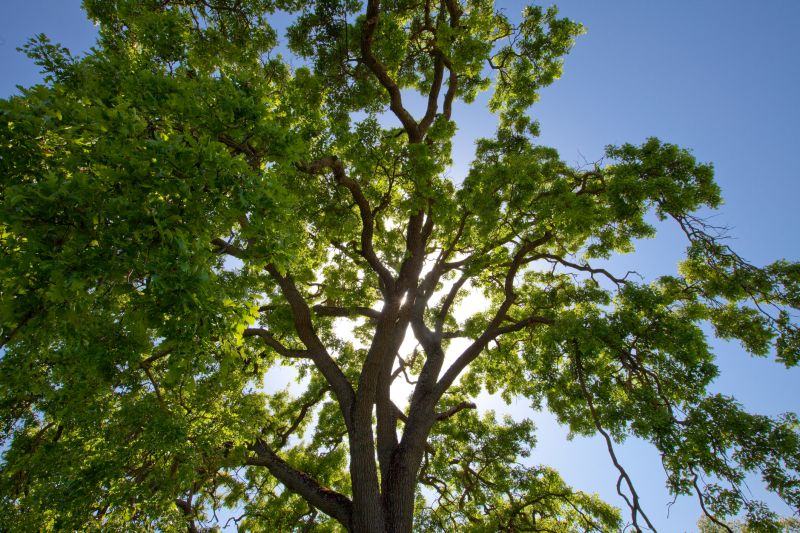
Thinning the canopy can improve air circulation and reduce stress on trees in residential and commercial landscapes.
Improving Property Safety
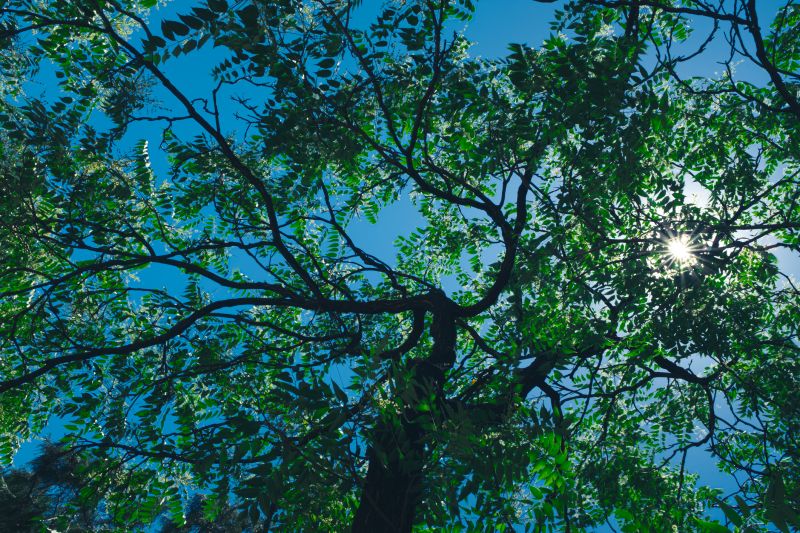
Selective canopy thinning helps prevent branch failure and minimizes the risk of damage during storms.
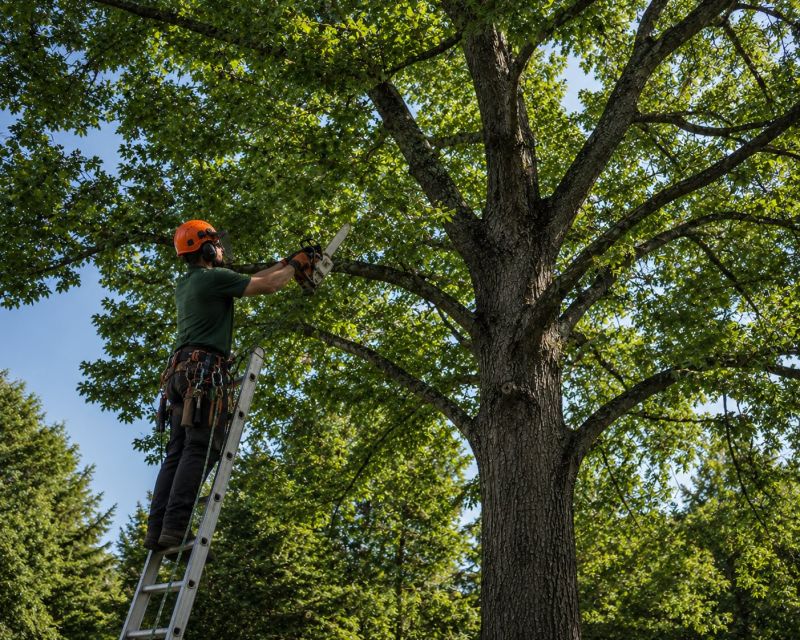
Increasing Sunlight Access
Reducing dense foliage allows more sunlight to reach lawns and garden beds, supporting healthier plant growth.
Tree Canopy Thinning in Reno, NV
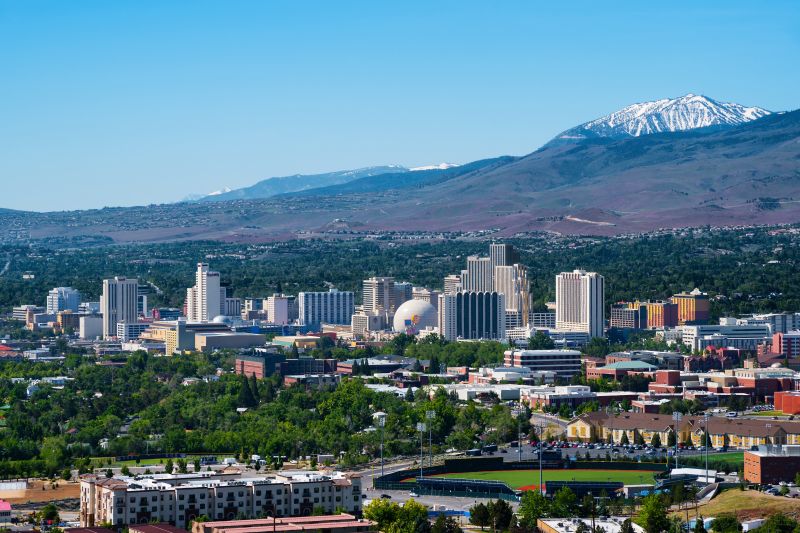
Tree canopy thinning services involve selectively removing branches and foliage to improve the overall health, safety, and appearance of a tree. This process is often used to reduce excessive leaf density, increase sunlight penetration, improve air circulation, and prevent branches from becoming too heavy or hazardous. Projects typically include thinning overgrown or crowded canopies, managing trees that are near structures or power lines, and maintaining the aesthetic balance of the landscape. Property owners usually want to understand how thinning can enhance tree vitality, reduce risks of falling branches, and improve the overall safety of their outdoor spaces.
Before requesting tree canopy thinning, property owners should consider the specific goals for their trees and landscape, such as safety, health, or visual appeal. It’s important to evaluate the size and species of the trees involved, as well as any local regulations or guidelines related to tree management. Understanding the extent of the thinning needed and how it might impact the tree’s growth or appearance can help ensure the project aligns with long-term landscape plans. Proper planning and informed decisions can lead to healthier trees and a safer, more attractive property.
Many property owners in Reno, NV look into Tree Canopy Thinning for repairs, replacements, upgrades, and appearance-related improvements.
Common Tree Canopy Thinning Jobs
Tree Canopy Thinning Services - Removing excess branches to improve sunlight penetration and airflow.
Tree Canopy Thinning Projects - Reducing dense foliage to prevent limb damage during storms.
Tree Canopy Thinning for Property Health - Enhancing tree stability and reducing the risk of falling limbs.
Tree Canopy Thinning for Safety - Clearing overgrown branches near structures and power lines.
Tree Canopy Thinning for Aesthetics - Shaping trees to improve overall landscape appearance.
Tree Canopy Thinning for Growth Control - Managing tree size to prevent overgrowth and maintain property balance.
Tree Canopy Thinning Questions
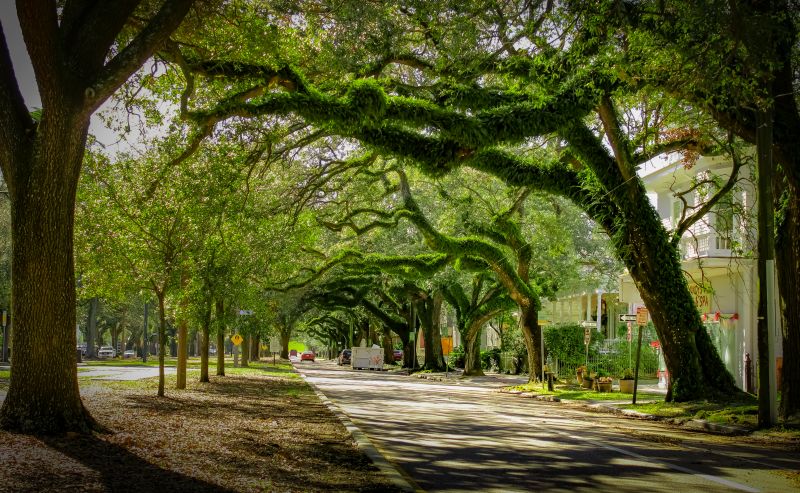
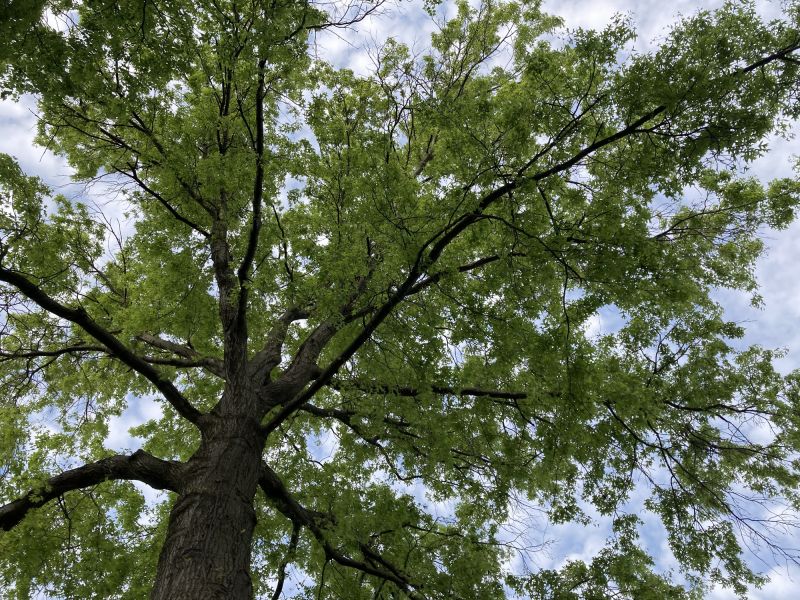
What is tree canopy thinning? Tree canopy thinning involves selectively removing branches to reduce the density of the upper part of a tree, improving airflow and light penetration.
Why consider canopy thinning? Thinning can help prevent storm damage, improve tree health, and reduce the risk of falling branches on property.
Is canopy thinning safe for trees? When performed properly, thinning maintains the overall health of the tree while reducing excess weight and density.
What types of trees benefit from canopy thinning? Mature trees with dense canopies, especially in urban or landscaped areas, often benefit from thinning to promote better growth and safety.
Request Tree Canopy Thinning in Reno, NV
Use the quote form on this page to share the basics of your project and request more information for the type of work you need.